







Search Results for: Coffee Grounds Recycling
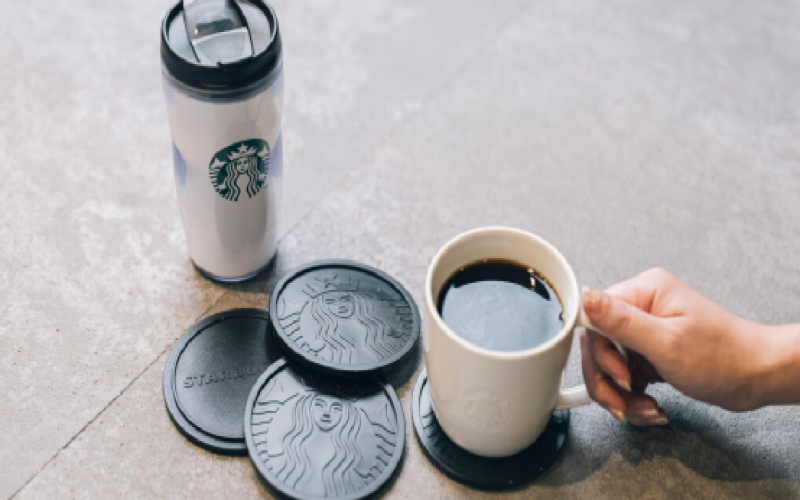
Starbucks Upgrades Its Environmental Practices Again: Discarded Reusable Cups Recycled into Coasters, Coffee Grounds Turned into Straws and Cakes
As the world's largest coffee chain brand, Starbucks consumes an astonishing amount of materials in its daily operations, with plastic products being a significant component. In recent years, Starbucks has continued its transformation into an environmentally friendly brand, constantly introducing new initiatives in resource recycling. Starbucks Japan recycles discarded tumblers into coasters, while coffee grounds are used for composting to grow carrots and make cakes for sale; Starbucks China processes coffee grounds into cold drink straws. Additionally, Starbucks is accelerating the opening of "Green Workshop" stores, using discarded items from other stores for creative upcycling. These practices not only reduce carbon emissions but also demonstrate to consumers more possibilities for waste recycling, offering considerable inspiration to the coffee industry. [more…]

Ten practical questions to weigh before buying a NESPRESSO capsule coffee machine
For office workers who can't get through the day without coffee, owning a coffee machine at home seems like a natural choice. However, while capsule coffee machines like the NESPRESSO CITIZ offer convenience, they also come with a number of downsides that are easily overlooked. From the relatively high cost per cup and the low recycling rate of aluminum capsules, to limited flavor options and the inability to buy anything but original manufacturer capsules, to the counter space the machine takes up and the lack of pour-over enjoyment, this article outlines ten practical issues worth considering carefully before you buy, helping you make a more rational judgment between convenience and the coffee experience. [more…]
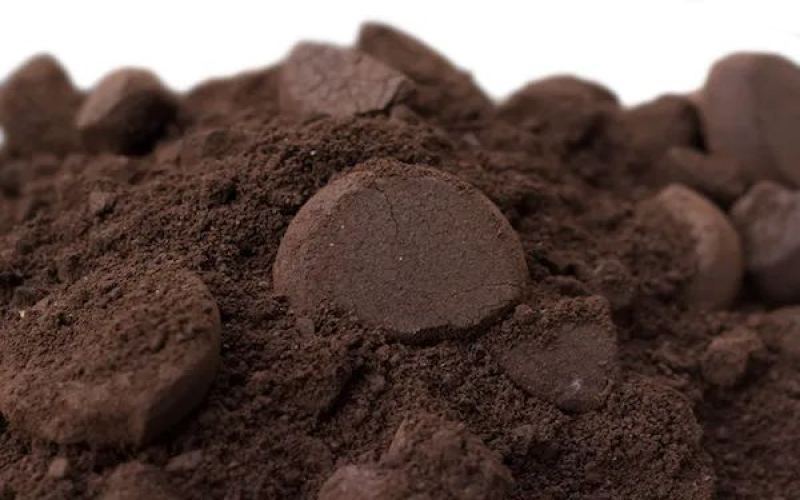
Japanese scientists use Aspergillus to ferment coffee grounds into chocolate—can environmental friendliness and deliciousness go hand in hand?
Around 2.25 billion cups of coffee are consumed worldwide every day, and with that comes a massive amount of spent coffee grounds. Traditional recycling methods—such as deodorizing, exfoliating, or making furniture—often require drying, which actually releases carbon dioxide. Japanese scientist Tetsuji Ishigaki has taken a different approach: using Aspergillus to ferment spent coffee grounds into a paste, then adding cocoa butter to solidify it, creating a ready-to-eat spent-coffee-ground chocolate. This product, called COLEHA, not only contains three times the amino acids of green coffee beans, but its polyphenols and antioxidants also reach 1.6 times those of regular coffee, and it is rich in insoluble fiber that promotes gut health. COLEHA is currently available in limited quantities, with sugar content offered in three versions—0%, 10%, and 40%—each with its own distinctive taste. This article introduces this eco-friendly and innovative spent-coffee-ground utilization technology, along with the flavor and health secrets behind it. [more…]
Don't Rush to Throw Away Expired Coffee Beans: Three Eco-Friendly Reuse Methods and Brewing Adjustment Tips for Stale Beans
Bought too much and can't finish it, or delayed by unexpected matters—before you know it, your coffee beans have passed their peak flavor period. When faced with stale beans, what details should you pay attention to during brewing? And if they've already passed their expiration date, how should you handle them? This article first shares grinding and blooming adjustment methods for stale coffee beans, helping you improve the output as much as possible despite flavor loss; then it organizes three practical and eco-friendly recycling approaches, including deodorizing, cleaning, and using as plant fertilizer, so that expired coffee beans can continue to provide value in daily life. The article also retains relevant suggestions and product information from the Front Street brand for coffee enthusiasts' reference. [more…]
Coffee Silver Skin Gets a New Life: Japan Launches Silver Skin Straws and Eco-Friendly Tissues
In the coffee industry chain, silver skin is often overlooked as a roasting by-product. However, Japan's Ito En and Tully's Coffee have teamed up to transform this thin protective layer into water-resistant straws. Every 10 grams of coffee beans produces enough silver skin to make two straws, and it does not interfere with the flavor of the drink. In fact, Tully's Coffee had already launched eco-friendly napkins containing silver skin as early as 2012. Although these products are currently limited to some stores in Japan, silver skin-blended paper has already taken an eco-friendly step in reducing pulp usage. This article will guide you through the transformation of coffee silver skin from waste to practical accessories, and revisit coffee grounds recycling cases such as Starbucks' ground coffee straws, exploring the possibility of fully utilizing the entire coffee fruit. [more…]

Starbucks Tumbler Production Process Raises Environmental Concerns, Greenwashing Controversy and Lid Plastic Issues Draw Attention Again
Starbucks has long presented itself as environmentally friendly, from coffee-ground straws to the global expansion of its "Greener Stores," earning recognition from many environmentalists. However, a recent TikTok video showed a barista first making a drink in a disposable plastic cup before pouring it into a customer's own glass cup and then throwing the plastic cup away, sparking accusations of "greenwashing." In fact, this is not the first time Starbucks has been questioned over its environmental measures: the strawless lids introduced in 2018 were criticized for using more plastic, and the deposit and recycling issues surrounding reusable cups have also been highly controversial. This article will outline the course of the incident and the responses from various parties, and review the many controversies in Starbucks' environmental marketing, to help you understand the true situation of this coffee giant on the road to sustainable development. [more…]
What to Do When Coffee Beans Are Past Their Best Flavor Window? Pour-Over Adjustment Tips and Three Waste Reuse Solutions
You bought too many and didn't finish them, or illness got in the way of brewing—and just like that, your coffee beans quietly passed their peak flavor window. Can stale beans still be brewed? What adjustments are needed during brewing? And if they're already past their expiration date, what eco-friendly and practical ways are there to reuse them? Drawing on Front Street's brewing experience, this article first covers hand-brewing strategies for stale beans—including changes to the blooming pour and grind size adjustments—then shares three proven methods for recycling coffee grounds: odor removal, cleaning, and plant fertilizer, so that not a single bean in your hands goes to waste. [more…]
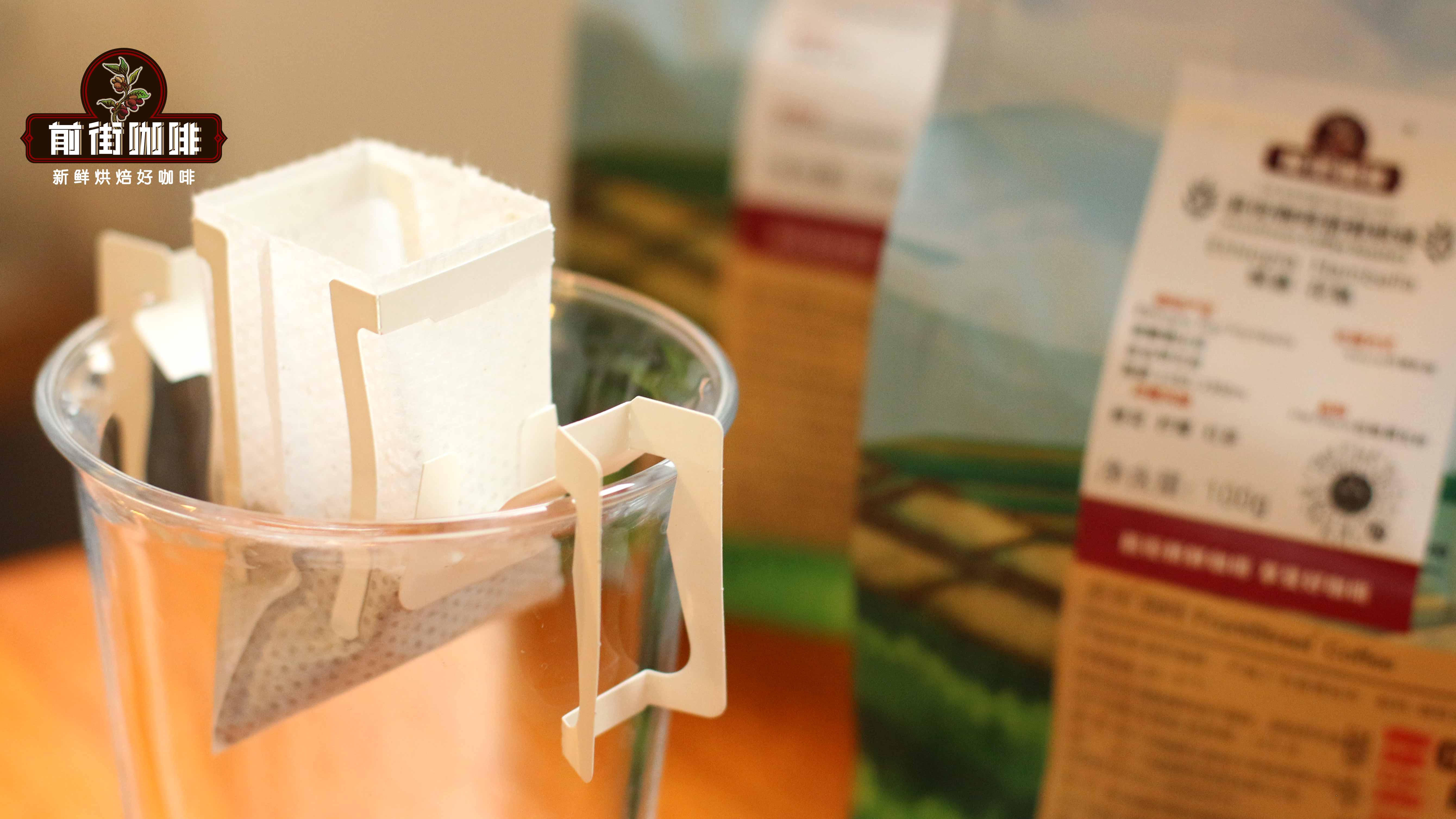
Drip Bag Coffee Brewing Guide: Correct Steps, Flavor Adjustments, and Whether It Can Be Re-Steeped
Drip bag coffee, with its portability and ease of use, has become a popular coffee choice for outdoor, travel, and everyday scenarios. But how do you properly brew a cup of drip bag coffee with excellent flavor? Water temperature, coffee-to-water ratio, and pouring method all matter. This article walks through the five standard brewing steps for drip bag coffee, detailing the blooming time, ideal water temperature, and the Front Street drip bag products that correspond to different flavor profiles. It also provides clear answers to common questions such as whether you can add milk, sugar, or honey to balance bitterness, and whether drip bags can be reused for multiple brews, along with suggestions for reusing coffee grounds, helping coffee lovers gain a more comprehensive understanding of how to enjoy drip bag coffee. [more…]
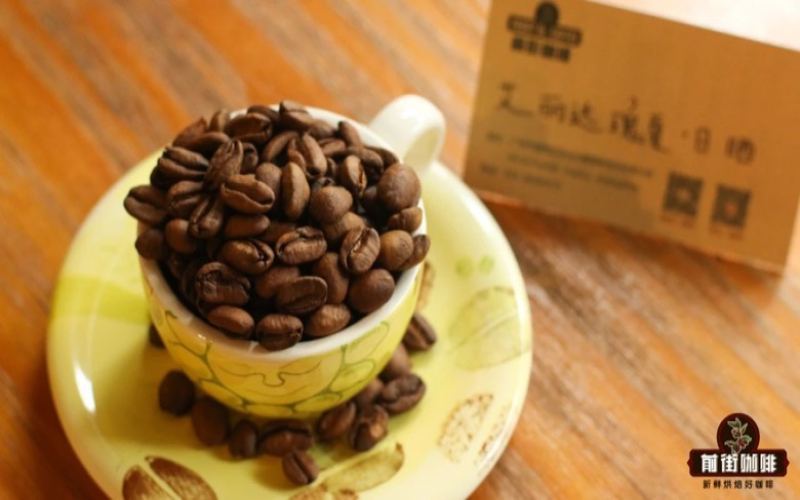
Hacienda Santa Teresa: A Strong Contender of Traditional Varieties at the Foot of Baru Volcano
In the 2026 BOP Traditional Varieties category, the champion belongs to Altieri Estate, the runner-up is Hacienda La Esmeralda, and the third place is a batch that entered with 92.38 points—it comes from Finca Santa Teresa, owned by Ezequiel [more…]
How Many Times Can You Brew Drip Coffee? Can You Add Milk If It's Too Bitter? A Detailed Guide to the Five Correct Steps for Brewing Filter Drip Coffee
Filter bag coffee has become a popular choice for outdoor and travel thanks to its portability, but brewing details are often overlooked. This article outlines the five standard brewing steps for drip bag coffee, explaining everything from tearing open the packet and hanging it on the cup, to water temperature control and the water-to-coffee ratio, and answers two common questions: whether drip bag coffee can be re-brewed multiple times, and whether milk can be added to balance it out when the bitterness is pronounced. It also combines the product characteristics of Front Street Coffee's drip bags to offer purchasing suggestions for different flavor preferences, and shares ideas for reusing coffee grounds, helping coffee lovers find a balance between convenience and taste. [more…]
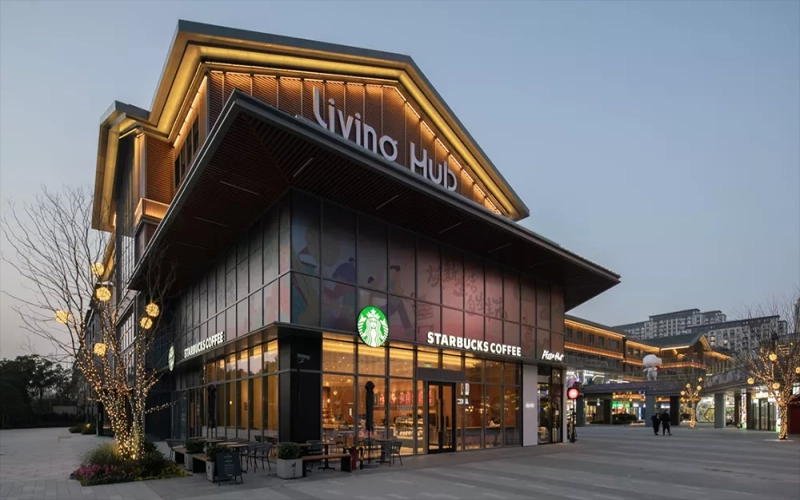
Starbucks China's second green store lands in Suzhou, a comprehensive analysis of its environmental certification system and emission reduction results
Following the "Greener Store" in Shanghai, Starbucks' second "Greener Store" in mainland China officially opened in Suzhou on January 14, marking the launch of its nationwide Greener Store development plan. Such stores must obtain the highest level of LEED certification and meet strict standards in energy conservation, water conservation, and waste treatment. For example, they use mercury-free LED lighting and low-flow faucets throughout, recycle 100% of coffee grounds, and make employee aprons from recycled PET plastic bottles. The Suzhou store also purchases green electricity through a green certificate subscription platform, and its interior uses reclaimed wood and red bricks. Compared with regular stores, each Greener Store can reduce carbon emissions by about 10.57 tons and save about 301.7 tons of water per year. Starbucks has long encouraged customers to bring their own cups, and its first Greener Store, the "Greener Store," was also the first to use paper straws and strictly implement waste sorting, setting an example for the industry. [more…]
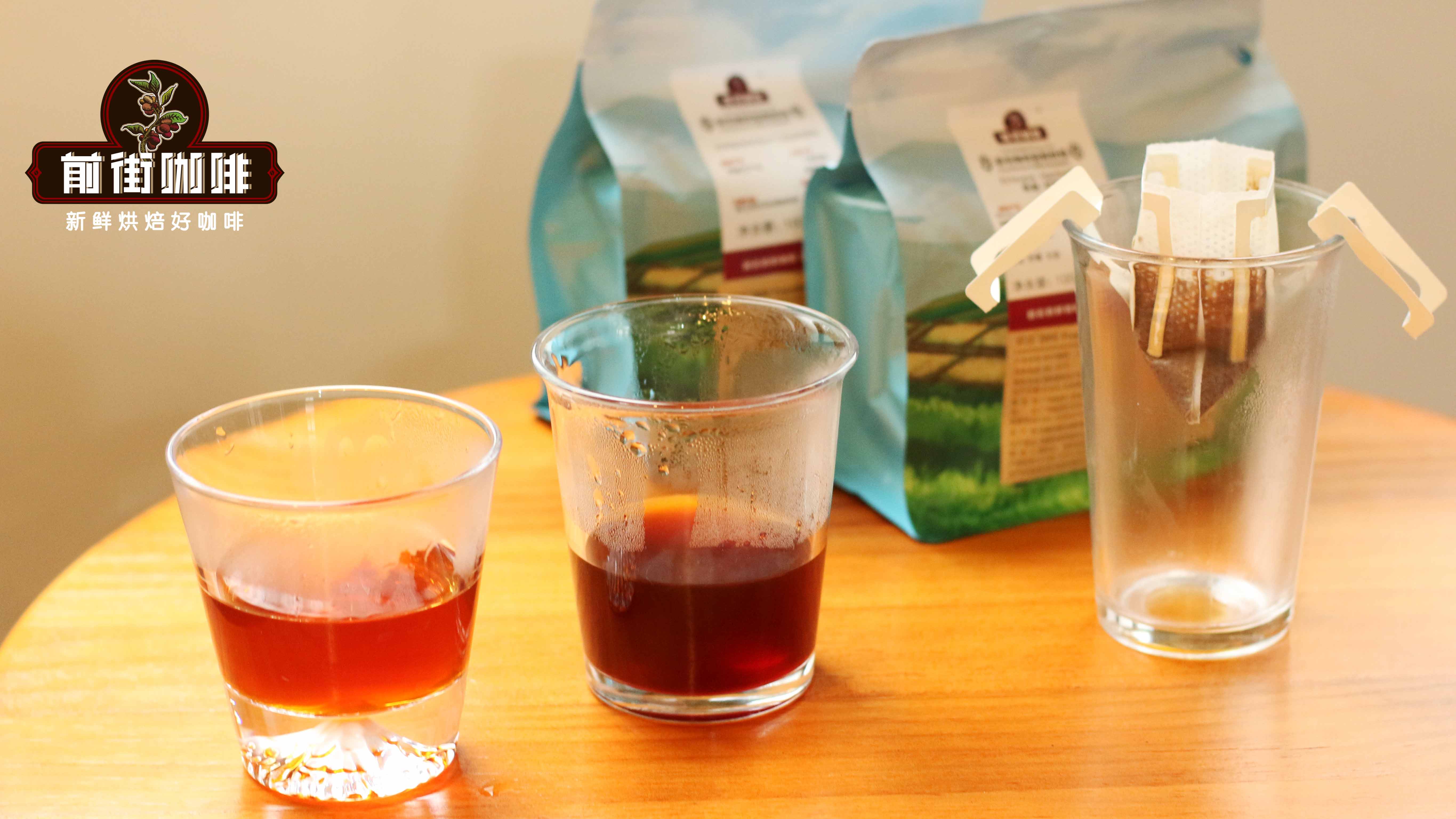
A Complete Guide to Drip Bag Coffee Brewing Temperature and Techniques, Front Street Multi-Origin Drip Bag Recommendations, and a Beginner's Buying Guide
As the pace of life accelerates, drip bag coffee has become the top choice for many coffee lovers thanks to its combination of portability and flavor. This article covers the brewing temperature, key techniques, and common pitfalls of drip bag coffee, while also offering practical advice for beginners on how to choose suitable drip bag coffee beans, and recommending the Front Street Coffee Classic 5-Origin Drip Bag Series, featuring flavors such as Yirgacheffe, Brazil Cerrado, Kenya Little Tomato, Panama Geisha, Indonesia Mandheling, and Honduras, helping readers easily enjoy a great cup of coffee. [more…]
Can You Still Drink Expired Unopened Ground Coffee? Flavor Changes and Three Eco-Friendly Ways to Reuse It
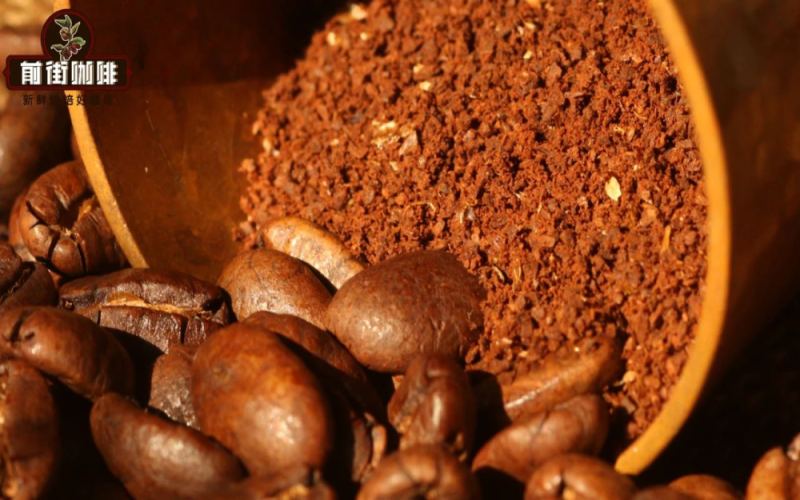
Many coffee enthusiasts have encountered this dilemma: they impulsively bought too many coffee beans, or for various reasons delayed drinking them, only to find that the beans have passed their optimal flavor period. So, can unopened expired ground coffee still be consumed? How will the flavor change? This article will analyze the safety of drinking expired ground coffee from the perspectives of food safety and flavor performance, and share brewing adjustment plans for stale coffee beans. In addition, if the coffee has passed its shelf life, we will also introduce three practical and eco-friendly ways to reuse it, so that every coffee bean can be put to good use. [more…]
How to judge coffee bean freshness? A practical guide from peak flavor window to reusing expired beans
Can you still drink coffee beans that have been sitting around for a long time? This is a real question many coffee lovers run into. Starting from how freshness affects flavor, this article explains the criteria for judging a coffee bean's peak flavor window, and offers specific brewing adjustments for stale coffee beans, including practical tips on grind size and the blooming pour. At the same time, Front Street Coffee has also put together three eco-friendly ways to reuse expired coffee beans, covering odor removal, cleaning, and plant fertilizer, so that every single bean can be put to good use. [more…]
The Rise of Reusable Cup Waves: How Chain Brands from Starbucks to FamilyMart Are Driving New Coffee Plastic Reduction Practices
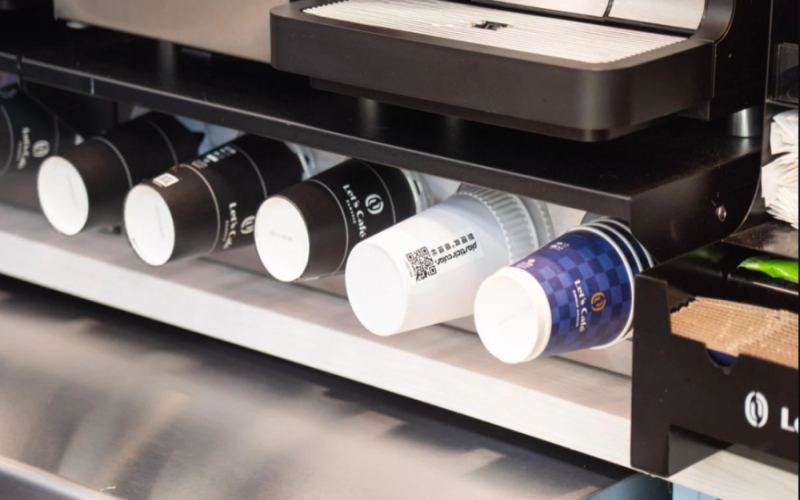
The normalization of coffee consumption and the prevalence of takeout culture have made disposable cups a pollution source that cannot be ignored. Environmental issues have long ceased to be a novelty in the coffee world—packaging innovation, coffee grounds reuse, paper straw replacements, as well as bring-your-own-cup discounts and in-store reusable cup pilots, are all being continuously explored. Recently, FamilyMart announced that it will massively roll out reusable cups to 400 stores in the Taiwan region, becoming East Asia's first convenience store chain to introduce reusable cups at scale. Previously, Starbucks launched a "borrowed cup" pilot in Seattle, and McDonald's also partnered with the Loop platform to test reusable cups. Can these initiatives truly change consumption habits and drive the industry to reduce plastic? This article will walk you through the practical paths of these pioneers and the real challenges they face. [more…]
Drip Bag Coffee Brewing Tips | Is Drip Bag Coffee a Type of Pour-Over Coffee? What Is the Water-to-Coffee Ratio for Making Drip Bag Coffee?
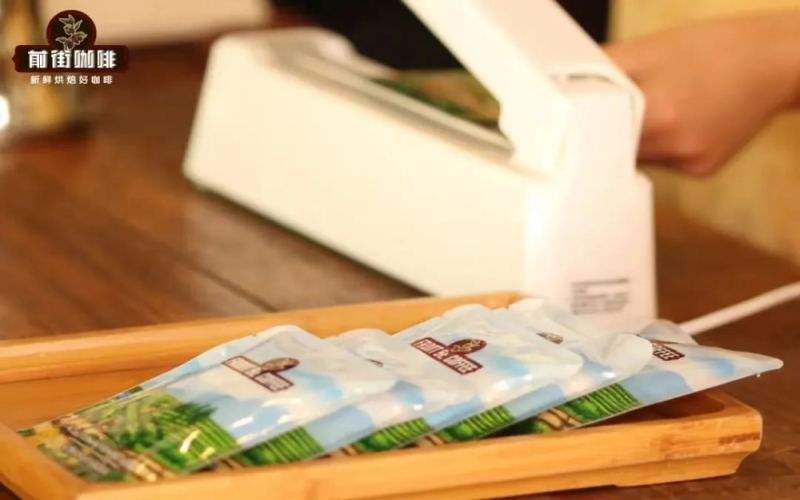
Ever since coffee began to develop rapidly in the Chinese market, more and more young people have chosen coffee to refresh themselves and treat it as a workplace essential. Precisely because it has become so widespread, a cup of coffee a day seems to have become a habit for office workers. When a café isn't located downstairs from your office building, many people will opt for cost-effective [more…]
How can you tell if coffee beans are fresh? Causes of staleness, whether they can still be consumed, brewing adjustments, and ways to use up expired beans
Can you still drink coffee beans that have been sitting for a long time? Why does the flavor deteriorate? This article centers on coffee bean freshness: first, it explains the causes of staleness and reference points for the optimal flavor period, and combines Front Street's verification to give storage recommendations; then it emphasizes safety—generally, roasted beans have a shelf life of about 1 year, and being past that date does not mean they cannot be drunk, but the flavor needs to be compensated for through the brewing plan. The focus is on adjustment ideas for brewing stale beans, including coarser grinding, longer pouring during blooming, and controlled circling, explaining why blooming is still crucial. Finally, it provides three environmentally friendly ways to reuse expired coffee beans: odor removal, cleaning, and plant fertilizer, helping you minimize the loss without wasting anything. [more…]
What Is Drip Bag Coffee? An Advanced Pour-Over Drip Bag Guide from Bean Selection to Brewing Water Volume
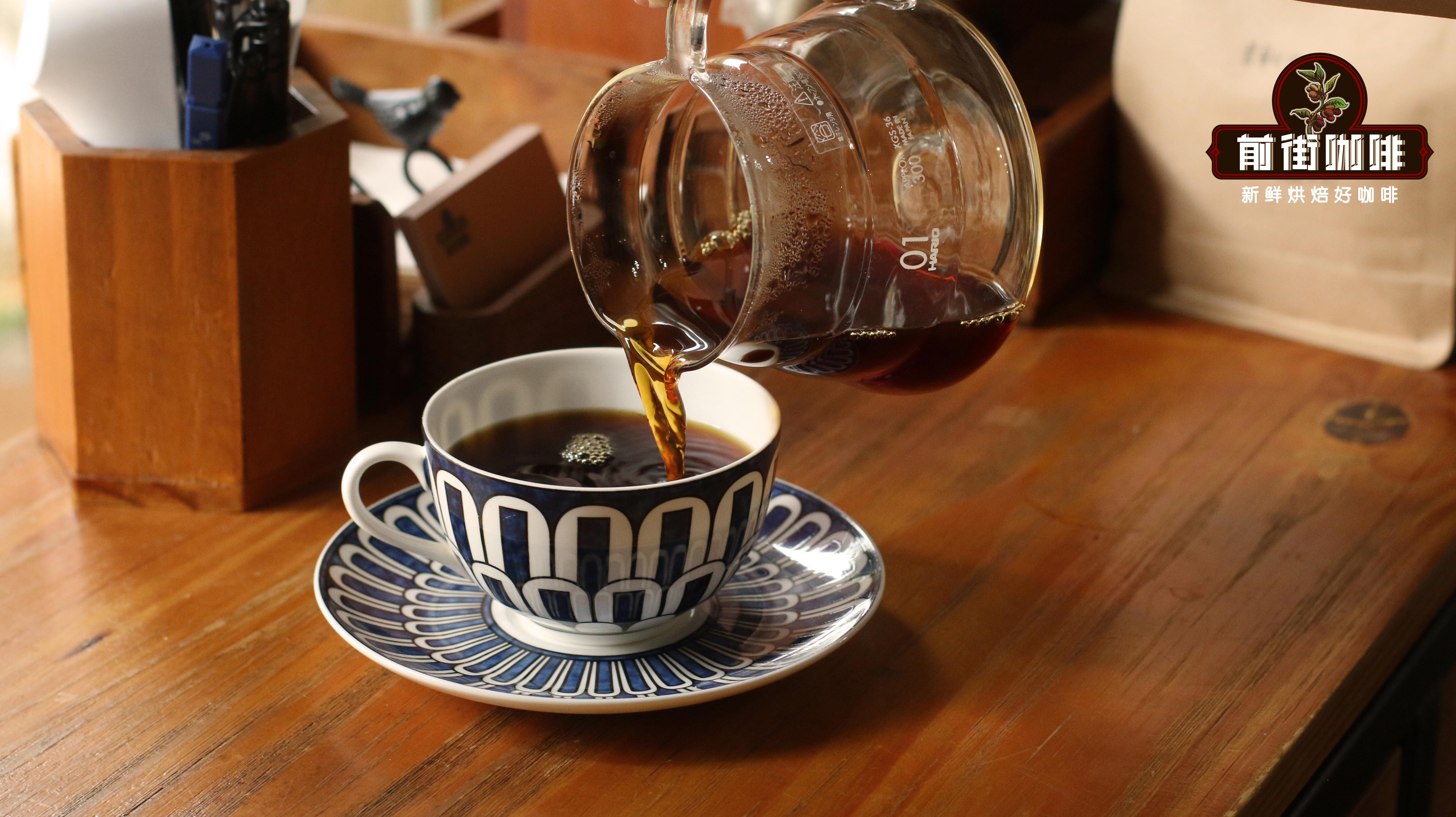
Drip bag coffee, with its combination of convenience and flavor, has gradually become the daily first choice for coffee lovers and office workers. But to brew a delicious cup, it's not as simple as tearing open the bag and pouring in water. Drawing on the practical experience of Front Street Coffee, this article systematically explains the selection approach for drip bag coffee, the necessity of warming the cup, control of water temperature and coffee-to-water ratio, the principle of blooming, and pouring techniques, and answers common questions such as exactly how many milliliters of water a single drip bag should use and whether it can be brewed repeatedly, helping you brew the drip bag in hand into a cup with a layering close to pour-over. [more…]
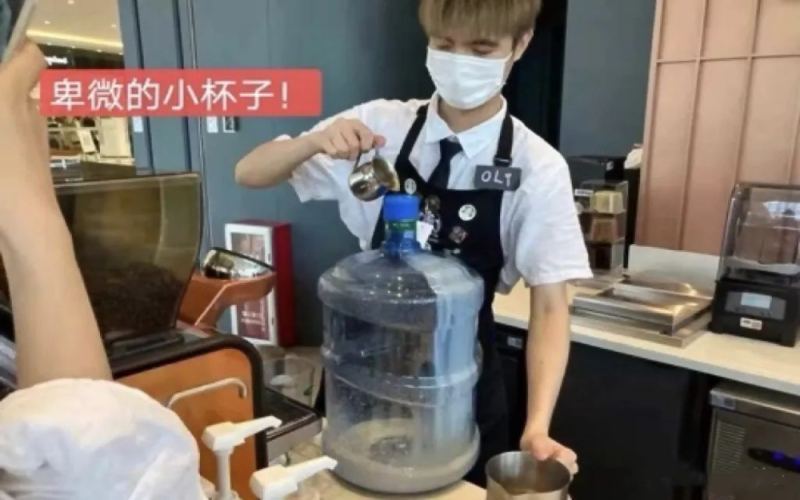
Earth Day 2023: Behind Starbucks' Free Coffee for Reusable Cups, Environmental Commitments Worth Noticing
Every year on April 22, World Earth Day, Starbucks' free coffee for customers who bring their own cups always sparks heated discussion. From the enthusiastic participation in 2017 to the coupon grabs and challenges in the following years, and then to the carnival triggered by its return in 2022, what exactly are these campaigns for? This article takes you through the evolution of Starbucks' Earth Day campaigns, explores environmental issues in the coffee industry from cultivation and processing to consumption, and looks at what other meaningful environmental actions besides free coffee are worth paying attention to. At the end, there is also a specialty bean recommendation from Front Street Coffee—if you love coffee and love the Earth, don't miss it. [more…]
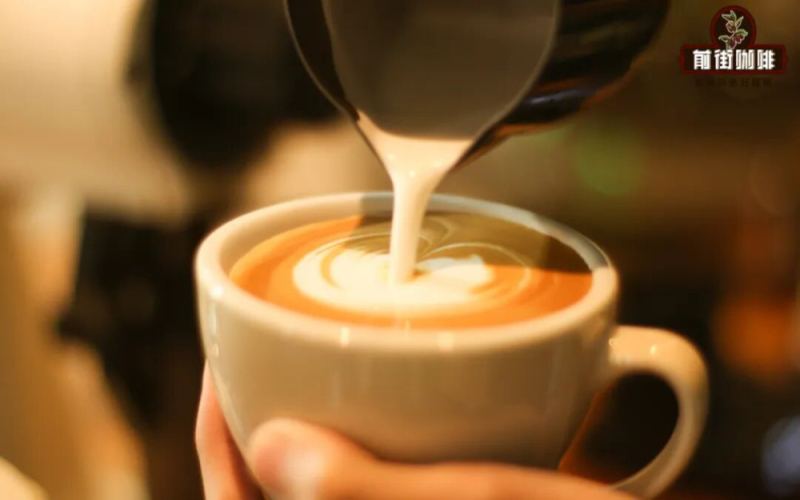
Learning Latte Art from Zero: A Low-Cost Approach Using Dark Soy Sauce, Dish Soap, and Recycled Espresso-Foam Practice
The art of latte art, at its core, relies on the repeated muscle memory of the hands for milk flow and foam. But if every practice session requires freshly pulled espresso and freshly steamed milk, the cost is high, and it's truly a waste to pour out what can't be finished. So many coffee enthusiasts have figured out some money-saving yet practical practice routines to minimize waste. In this article, Front Street Coffee will explain how coffee shops practice latte art in their daily operations: we'll introduce the choice of espresso beans suitable for latte art, share how to froth milk with a French press when there's no espresso machine, and break down in detail two low-cost practice methods—using dark soy sauce with dish soap, and recycling espresso with milk—to help you build up your latte art skills step by step at home. [more…]